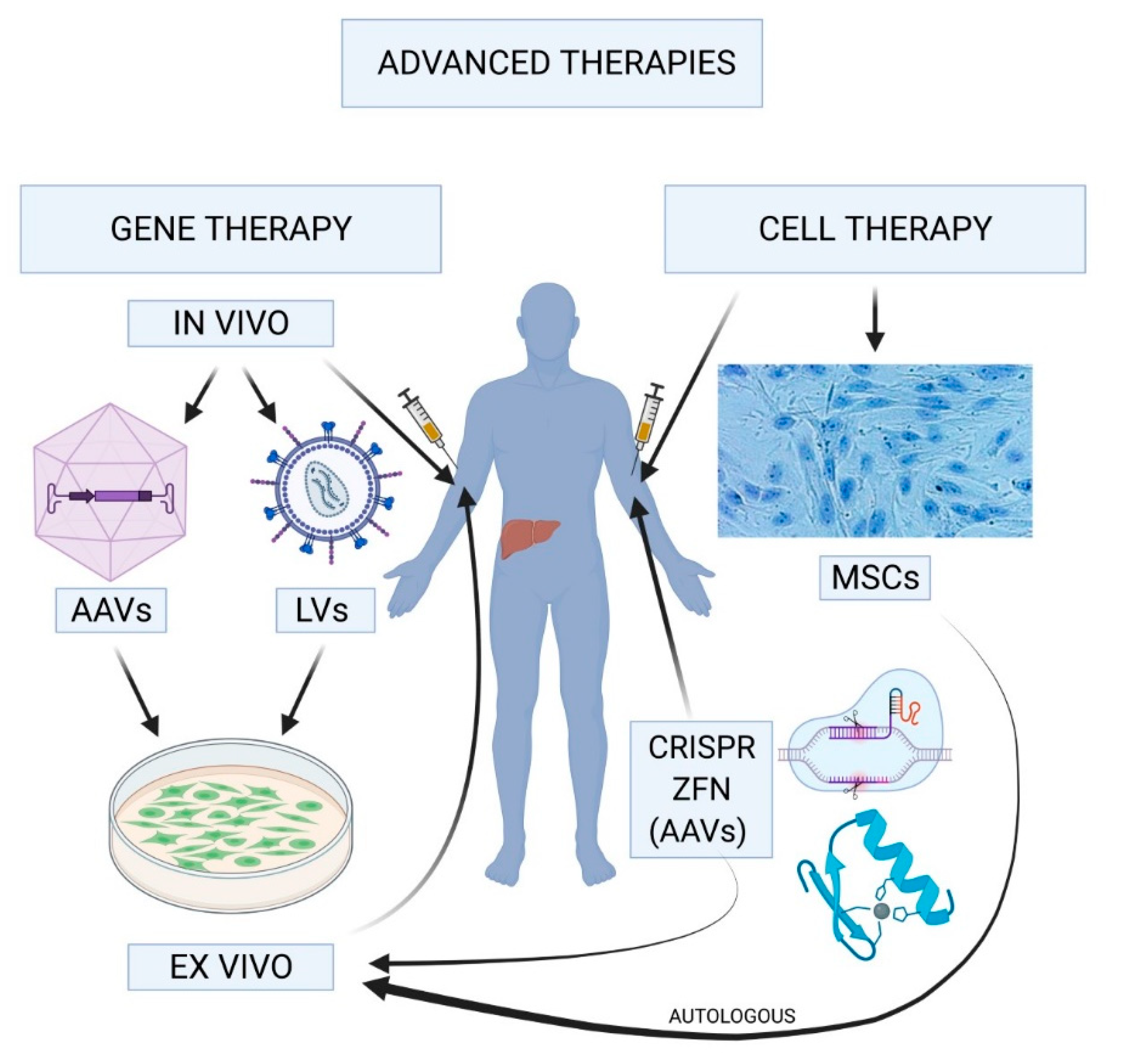
Hemophilia gene therapy represents a groundbreaking advancement in the treatment of hemophilia B, a genetic disorder that impairs the body’s ability to produce the necessary clotting factor for blood coagulation. Traditional treatments have relied heavily on regular injections of clotting factor, creating a lifelong dependency that many patients, like Terence Blue, have endured with mixed success. However, recent breakthroughs such as Hemgenix, developed by CSL Behring and granted FDA approval, are transforming the landscape of hemophilia treatment. This innovative gene therapy works by delivering a modified gene to the liver, which is capable of producing the missing clotting factor, potentially offering a one-time solution to a chronic condition. As patients begin to experience the benefits of gene therapy, their lives are transformed, allowing them to engage in activities once clouded by the fear of uncontrolled bleeding.
Exploring alternatives to traditional hemophilia treatments, emerging gene therapy solutions provide a fresh perspective for patients suffering from hemophilia B. Known for their ability to alter genetic material, these therapies are changing the dynamics of treatment by directly addressing the root cause of the disorder. Hemogenix is one such promising solution, with the potential to offer a permanent cure by enabling the body to produce sufficient clotting factors post-treatment. Developed by CSL Behring and recently receiving approval from the FDA, this innovative approach not only alleviates the need for frequent factor IX injections but also opens the door to new possibilities of improved patient quality of life. The captivating progress in hemophilia gene therapy highlights both the challenges and triumphs in the quest to provide effective and lasting solutions for those affected by this serious condition.
The Breakthrough of Gene Therapy in Hemophilia B
Hemophilia B has long been managed through regular infusions of clotting factor IX, yet a revolutionary shift is occurring with the advent of gene therapy. The FDA’s recent approval of Hemgenix, developed by CSL Behring, marks a significant milestone in the treatment of this bleeding disorder. For patients like Terence Blue, who recently became the first recipient of this therapy in New England, this innovation promises not only to reduce dependence on frequent injections but potentially transform their lifestyles. Gene therapy targets the underlying genetic mutation, offering a long-term solution rather than continuous management of symptoms.
Patients receiving Hemgenix benefit from a treatment that corrects the genetic defect causing hemophilia B. By utilizing a modified virus to deliver a healthy copy of the factor IX gene directly to the liver, this therapy enables the production of the missing clotting factor within the body. Consequently, individuals can experience a marked decrease in bleeding episodes and may not require prophylactic factor infusions—a game changer in hemophilia care. As the clinical trials have shown promising results, the hope is that this gene therapy can be integrated into regular treatment plans, providing a sustainable option for those affected by this condition.
Understanding Hemophilia and the Role of Clotting Factor
Hemophilia is a genetic disorder primarily affecting males, characterized by the absence of specific clotting factors responsible for blood coagulation. Hemophilia B, caused by a deficiency of clotting factor IX, stands out as a significant type of this disorder. Advances in treatment have traditionally relied on regular infusions of this clotting factor to manage bleeding risks. Patients typically endure a lifelong regimen of injections to minimize the complications associated with spontaneous bleeding, which can lead to chronic joint damage and physical limitations.
With the emergence of gene therapy as a viable approach, the management of hemophilia is evolving. No longer confined to the constraints of regular clotting factor injections, patients now have the potential to experience enhanced quality of life. Gene therapy offers the promise of sustained clotting factor levels through a one-time treatment, drastically changing the trajectory of care. This paradigm shift not only alleviates the daily burden of needle use but also lowers the risk of long-term joint damage due to fewer bleeding episodes.
Navigating FDA Approval and Market Challenges for Gene Therapies
The journey of gene therapies from the laboratory to clinical application involves rigorous scrutiny and, ultimately, FDA approval, which is critical for patient access. For Hemgenix, gaining FDA approval in November 2022 was a pivotal milestone, allowing doctors to potentially change lives with this treatment. However, even with approval, the transition into the market is fraught with challenges, including pricing structures that can deter accessibility for many patients. With a treatment price tag of $3.5 million, affordability and insurance coverage present significant barriers that can stymie the benefits of groundbreaking therapies like Hemgenix.
Market dynamics play a crucial role in the sustainability of gene therapies. High costs must be balanced with the number of patients benefitting from a treatment. There have been instances where approved therapies were withdrawn due to limited market acceptance and financial feasibility. As the healthcare landscape shifts towards value-based care, drug makers face the daunting task of aligning innovation with economic realities, fostering an environment where patients can truly benefit from advances in gene therapy while also ensuring the viability of the therapy in clinical practice.
The Future of Gene Therapy in Treating Hemophilia
Looking ahead, the potential for gene therapy to alter the landscape of treatment for hemophilia is significant. As research continues and more therapies, including those for hemophilia B, emerge, the scientific community is fostering a sense of optimistic anticipation. The successful administration of Hemgenix to patients like Terence Blue paints a hopeful future where gene therapies could potentially eradicate the constraints imposed by chronic conditions. With a growing number of gene and cell therapies being developed and approved each year, the prospect of expanding treatment options for patients is brighter than ever.
Moreover, the advancements in gene therapy catalyze a broader dialogue around the integration of innovative treatments into standard care protocols. Continuous improvements in delivery mechanisms, gene-editing technology, and post-treatment monitoring can lead to enhanced patient outcomes. As researchers align their findings with the realities of patient experiences and healthcare economics, gene therapy could redefine not just treatment strategies for hemophilia, but for a spectrum of genetic disorders, paving the way for a future where patients can genuinely pursue life without the constant fear of bleeding-related complications.
Living with Hemophilia: Personal Stories and Experiences
For individuals like Terence Blue, living with hemophilia has been a lifelong journey laden with both challenges and resilience. The everyday realities of managing a bleeding disorder are not just medical; they intertwine deeply with personal identity, social interactions, and mental health. Blue recalls moments from childhood that shaped his understanding of his condition, emphasizing the constant need for caution and care in daily activities. The fear of unexpected bleeds can overshadow experiences that others might consider mundane, creating a unique psychological burden.
Nevertheless, advancements such as gene therapy offer a beacon of hope for a transformed lifestyle. The experiences shared by Blue resonate with many others navigating similar paths; they illustrate the yearning for freedom from the constraints imposed by regular injections and fear of bleeding episodes. The prospect of living a life less dictated by hemophilia not only enhances physical well-being but also enriches social interactions, allowing individuals to engage more fully in life’s activities. Stories like Blue’s are vital, as they highlight the profound impact of medical innovations on personal narratives and community involvement.
CSL Behring’s Role in Advancing Hemophilia Treatments
CSL Behring has emerged as a leading innovator in hemophilia treatment, dedicating significant resources to research and development in gene therapy. As the creator of Hemgenix, CSL Behring is at the forefront of a new wave of medical advancements that tackle genetic disorders with unprecedented approaches. The company’s commitment to understanding the genetic underpinnings of hemophilia has driven several breakthroughs in synthetic clotting factors and innovative therapies that can potentially rewrite patient outcomes.
Moreover, CSL Behring’s involvement extends beyond just developing the medication; it shapes the ongoing narrative of how hemophilia is perceived and treated in the medical community. As a key player in advocating for research funding and patient education, CSL Behring fosters an environment that encourages the exploration and acceptance of groundbreaking treatments. Their contributions to the field are pivotal in ensuring that patients have access to therapies that not only meet medical needs but also address the comprehensive experience of living with hemophilia.
The Science Behind Gene Therapy for Hemophilia
The science behind gene therapy for hemophilia B harnesses the capability of viral vectors, specifically engineered to replace defective genes responsible for clotting factor production. The process involves delivering a corrected copy of the factor IX gene into patients’ liver cells. Once integrated, these healthy genes facilitate the continuous production of clotting factor IX, mitigating the core issue that characterizes hemophilia B. As a result, patients can achieve stable clotting factor levels, significantly decreasing the risk of bleeding episodes and enhancing their overall quality of life.
Understanding the intricate workings of gene therapy not only deepens patient comprehension but also paves the way for broader acceptance of these innovative treatments. By demystifying the mechanisms behind therapies like Hemgenix, healthcare providers can alleviate fears surrounding genetic interventions. As more patients witness successful outcomes and sustained benefits from gene therapy, there is potential for a transformative shift in how hemophilia and other genetic conditions are approached, treated, and conceptualized as a whole.
The Importance of Clinical Trials in Gene Therapy Development
Clinical trials play a crucial role in the development and validation of gene therapies for hemophilia, serving as the foundation for proving their safety and efficacy. Through rigorous testing involving diverse patient populations, researchers gather critical data that informs best practices and therapeutic guidelines for each new treatment. These studies not only assess short-term outcomes but also long-term impacts, ensuring that therapies like Hemgenix can offer sustainable solutions for patients, with minimal adverse effects.
Moreover, the engagement of patients in clinical trials is essential for the advancement of hemophilia care. Participants contribute not only to their own potential healing but also to the collective understanding of how gene therapies function across different demographics and individual health profiles. This collaborative effort emphasizes the importance of patient-reported outcomes and experiences, ensuring that future innovations are aligned with the needs and realities of those living with hemophilia.
The Social Impact of Gene Therapy on Patients with Hemophilia
The introduction of gene therapy for hemophilia has far-reaching social implications, especially in terms of patient empowerment and community integration. For individuals who have long grappled with isolation brought on by their condition, the possibility of living without the constant burden of treatment fosters a sense of freedom and normalcy. Patients like Terence Blue articulate the hope that gene therapy may allow them to navigate social environments without anxiety, enabling them to forge deeper connections without the stigma of a medical condition dictating their interactions.
Furthermore, the promise of gene therapy evokes a transformative vision for community advocacy and awareness around hemophilia. As success stories emerge, public perceptions may shift, leading to greater acceptance and understanding of the challenges faced by individuals with bleeding disorders. This potential recalibration of mainstream narratives can aid in eliminating misconceptions about hemophilia, catalyzing further support for funding and research while encouraging inclusivity and representation of affected individuals in broader social settings.
Frequently Asked Questions
What is hemophilia gene therapy and how does it work?
Hemophilia gene therapy refers to a cutting-edge treatment designed to address the genetic mutations causing hemophilia B by introducing a corrected version of the gene responsible for producing clotting factor IX. This therapy utilizes a modified virus to deliver the gene directly into liver cells, where the body can begin producing the missing clotting factor, significantly reducing or eliminating the need for regular infusions of clotting factor for patients.
How does CSL Behring’s Hemgenix play a role in hemophilia gene therapy?
CSL Behring developed Hemgenix, a gene therapy for hemophilia B that received FDA approval in November 2022. This innovative therapy aims to provide a long-lasting solution by enabling patients to produce their own clotting factor IX, thereby vastly improving their quality of life and reducing dependency on regular clotting factor treatments.
What are the benefits of hemophilia gene therapy compared to traditional treatment?
Hemophilia gene therapy offers numerous benefits over traditional treatments. The most significant advantage is the potential for sustained production of clotting factor IX in the body, which may reduce or eliminate the need for frequent infusions of clotting factor. Patients like Terence Blue, the first to receive Hemgenix in New England, report improved healing and a reduction in the daily impact of managing hemophilia.
What is the current status of FDA approval for hemophilia gene therapy?
As of now, several hemophilia gene therapies, including Hemgenix by CSL Behring, have received FDA approval. This approval marks an important milestone in making gene therapies accessible to patients, reflecting the ongoing advancements in treating hemophilia through innovative genetic approaches.
Are there any risks associated with hemophilia gene therapy?
While hemophilia gene therapy, like Hemgenix, is designed to be safe and effective, as with any medical treatment, there are potential risks. These may include temporary side effects, such as liver enzyme elevation, and the need for close monitoring. It is essential for patients considering this treatment to discuss potential risks with their healthcare provider before proceeding.
How has hemophilia gene therapy changed the lives of patients?
Patients who have undergone hemophilia gene therapy, such as Terence Blue, report transformative changes in their daily lives. Many experience a significant reduction in bleeds, improved healing, and a newfound freedom from the daily regimen of injections, allowing them to engage more fully in activities without the constant worry of bleeding.
What future developments can we expect in hemophilia gene therapy?
The future of hemophilia gene therapy looks promising, with ongoing research aiming to refine these treatments and broaden their application. Researchers are exploring ways to improve the efficacy and safety of existing therapies while also working on new options that could potentially address other forms of hemophilia and related blood disorders.
| Key Point | Details |
|---|---|
| Patient Background | Terence Blue, diagnosed with hemophilia at birth, has lived with the condition for 33 years and required frequent treatments. |
| New Treatment | Blue was the first in New England to receive Hemgenix, a gene therapy for hemophilia B, at Brigham and Women’s Hospital, aiming to reduce reliance on frequent injections. |
| Mechanism of Action | The therapy employs a modified virus to deliver a corrected gene to liver cells, enabling them to produce clotting factor IX. |
| Meaningful Outcomes | Post-treatment, Blue’s factor IX levels improved significantly, demonstrating positive initial results. |
| Market Challenges | Gene therapies face high costs and market acceptance issues, leading to some therapies being withdrawn despite potential benefits. |
| Future Outlook | Despite challenges, ongoing research and development may lead to more effective long-term therapies for hemophilia. |
Summary
Hemophilia gene therapy represents a significant breakthrough for patients like Terence Blue, who experienced a life-changing treatment at Brigham and Women’s Hospital. By using innovative gene therapy, Hemgenix aims to provide a long-term solution to the challenges associated with hemophilia B, allowing patients to maintain a more normal lifestyle without constant treatment. As research continues to evolve, the hope remains that these therapies can transform the lives of many, offering not just management but an actual improvement in quality of life.